Risk management is undergoing a significant transformation. Where investment professionals once relied on historical data, static models, and backward-looking correlations, the rise of artificial intelligence is introducing a more dynamic, forward-looking approach. AI is not only changing how risk is identified but also how it is measured, monitored, and mitigated across portfolios.
In today’s volatile and interconnected markets, traditional risk models often fall short. Market dislocations, rapid information flows, and cross-asset contagion are difficult to anticipate using conventional tools. AI addresses these limitations by processing vast datasets in real time and detecting patterns that human analysts may overlook. This allows for earlier warnings, faster responses, and more precise allocation adjustments when conditions shift.
Machine learning algorithms are particularly effective at identifying nonlinear relationships between variables, capturing emerging risks before they materialize into losses. By analyzing both structured data like price movements and unstructured data such as news articles or earnings calls, AI models generate insights that inform decisions across sectors, geographies, and asset classes.
One of the most powerful applications of AI in risk management is predictive stress testing. Rather than relying on predefined scenarios, AI can simulate a wide range of hypothetical market environments based on current data and historical analogs. This helps investors understand how portfolios might behave under different conditions, including those that have not yet occurred. These insights support better capital preservation and contingency planning.
AI also enhances real-time monitoring by continuously evaluating volatility, sector-specific risks, and leverage ratios. As new data becomes available, models adjust exposure levels and recommend rebalancing strategies to maintain alignment with risk tolerance and return objectives. This dynamic feedback loop replaces the lag of periodic risk reviews and manual adjustments.
With these capabilities, risk management becomes less about damage control and more about early intervention. Investors can identify overexposures, track market sentiment, and flag concentration risks as they develop. This proactive stance supports more resilient portfolios and better-informed capital deployment.
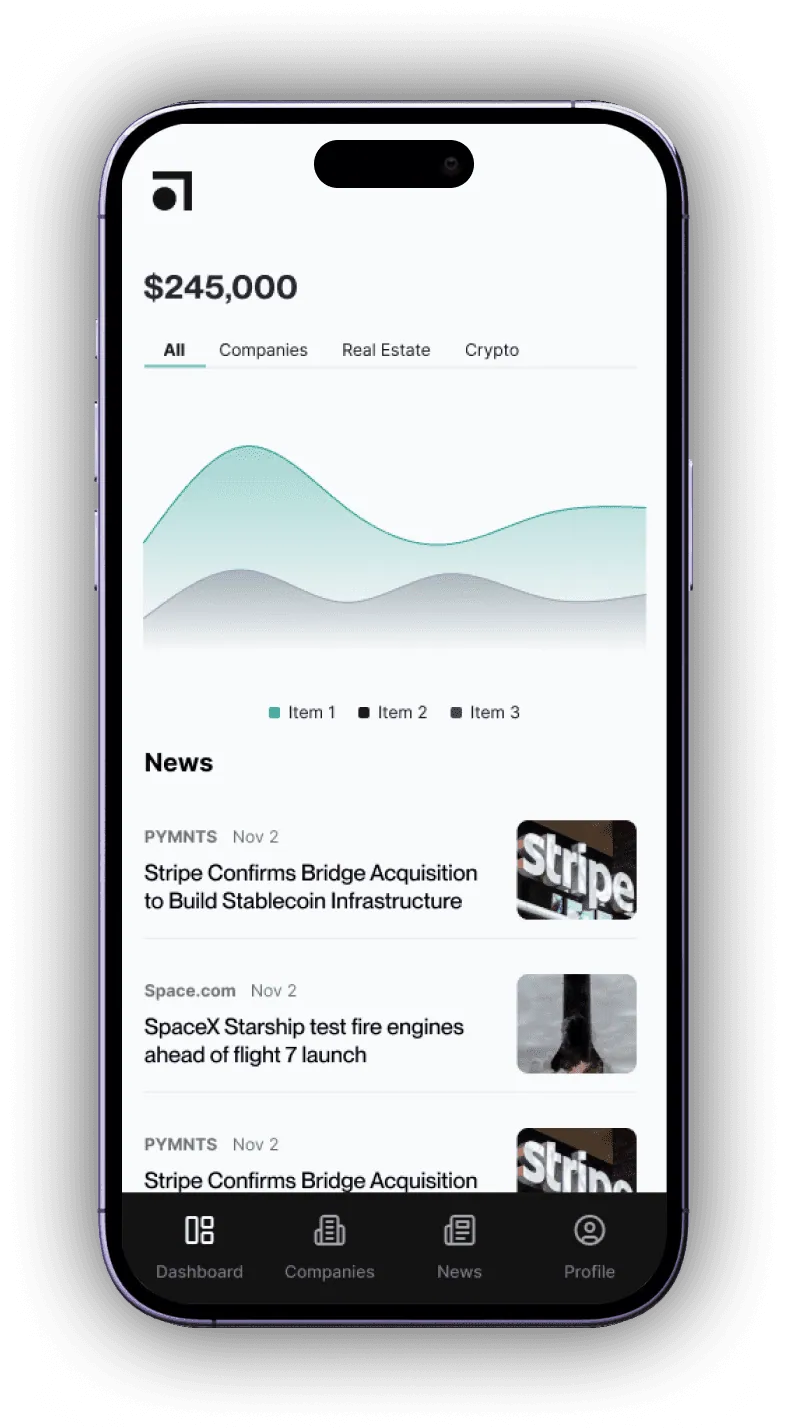
By offering real-time dashboards and risk scoring, the platform enables users to respond quickly without sacrificing long-term positioning.
AI does not eliminate risk, but it improves how risk is understood and managed. As financial markets evolve, the ability to anticipate challenges and adjust course quickly is becoming a critical differentiator. AI empowers investors to operate with greater speed and clarity, allowing them to manage uncertainty while continuing to pursue performance.
In a world where risk factors can emerge from macroeconomic shocks, geopolitical events, or even viral social trends, a more intelligent risk management system is essential. This shift not only reduces downside potential but strengthens the foundation for long-term success in an increasingly complex investment environment.
Create a free account to start, or see Raziel for startup investors.